
Sustainable Classroom Furniture: What Makes a Greener Learning Space?
Learn how materials, indoor emissions, durability, repair, flexible use, packaging, and end-of-life planning shape a practical sustainability review for classroom furniture.
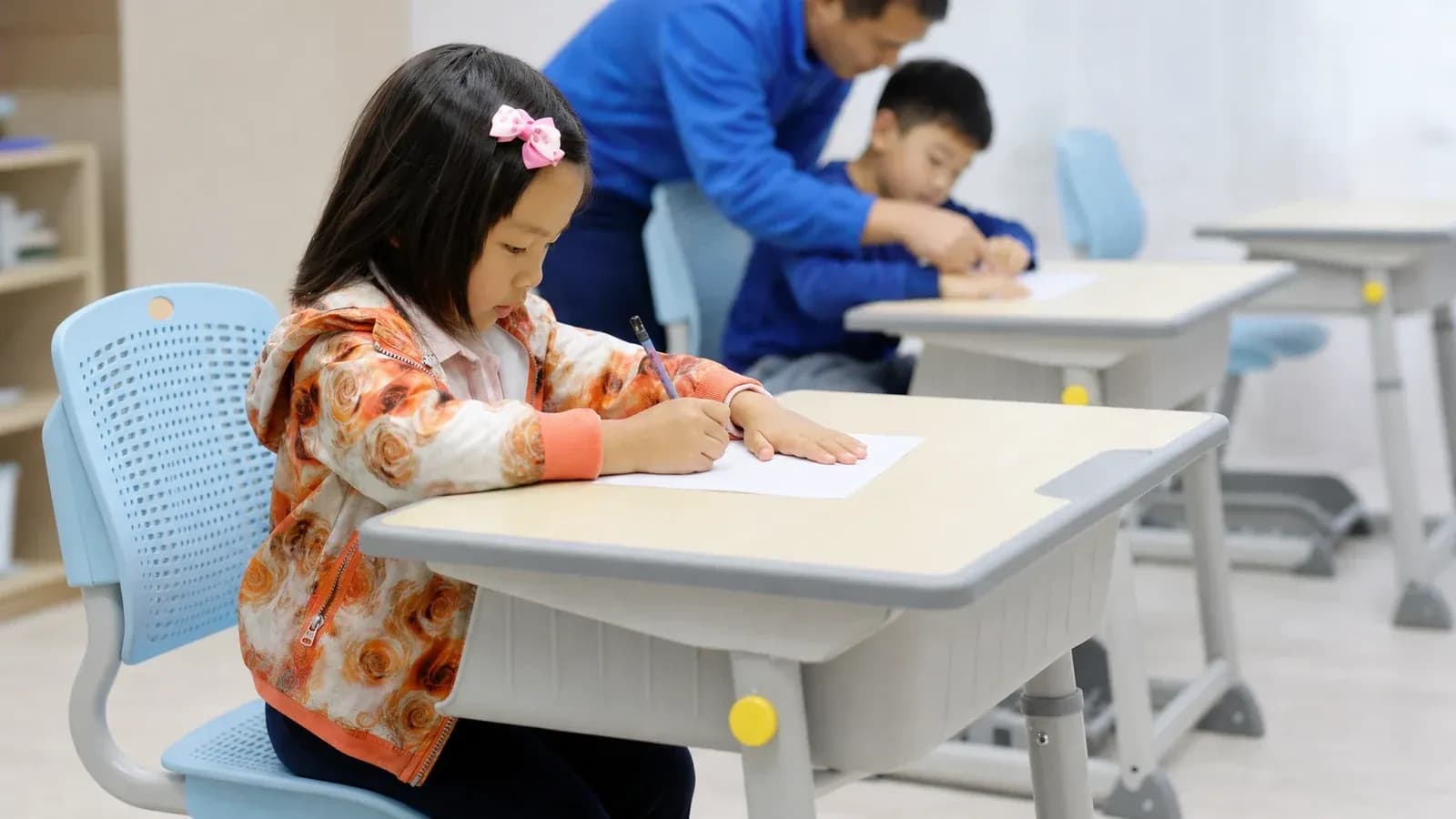
Table of Contents
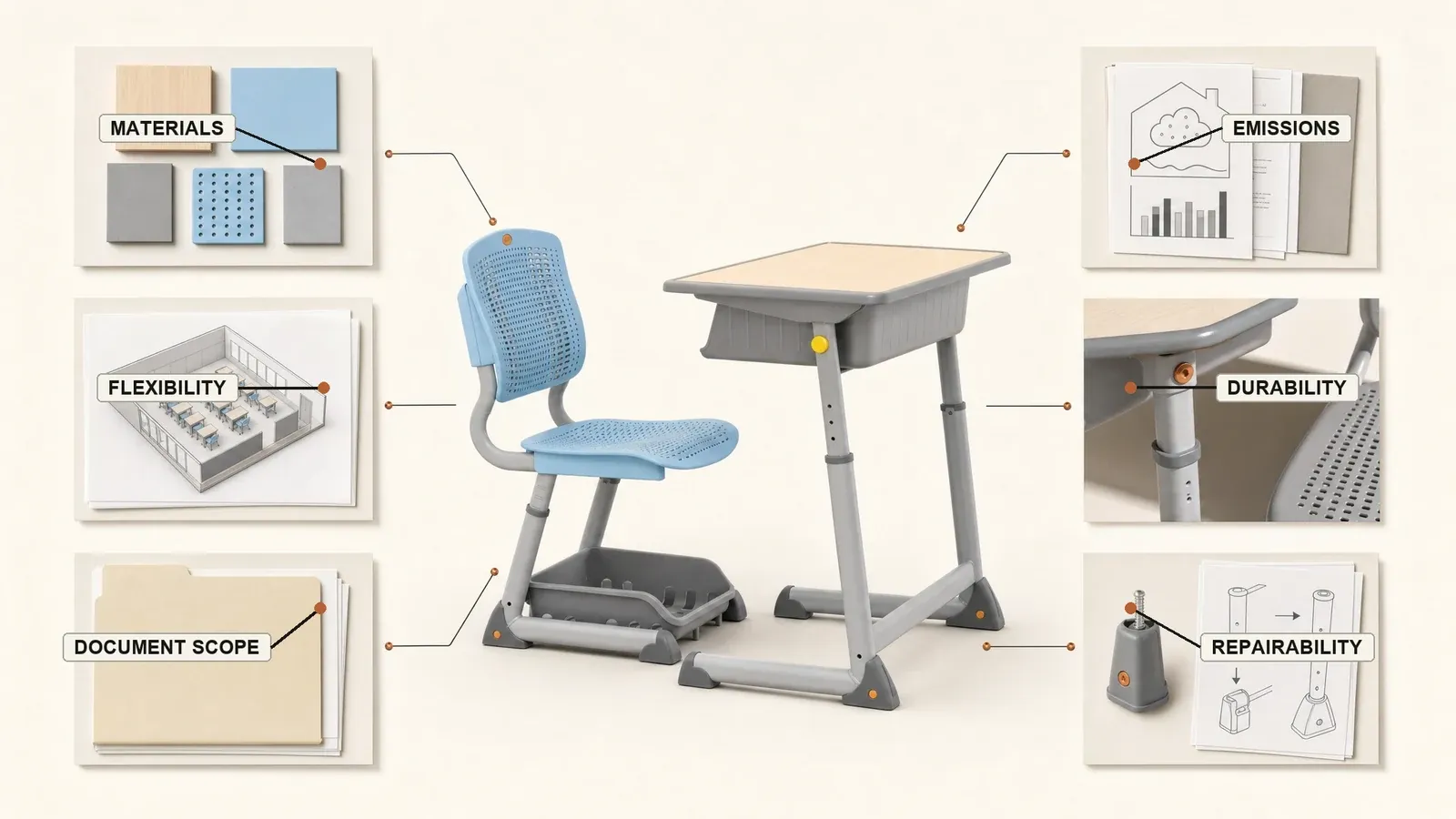
Sustainable classroom furniture brings together traceable materials, responsible manufacturing and packaging, indoor-emissions evidence, durability, and long-term usability. For schools and education projects, sustainability is not simply about choosing a particular material. It also means considering how furniture performs throughout its service life and whether it continues to meet everyday classroom needs.
This guide explores the main factors to consider when evaluating sustainable classroom furniture, helping school buyers make informed procurement decisions that balance environmental considerations with practical requirements.
1. Materials and Responsible Sourcing
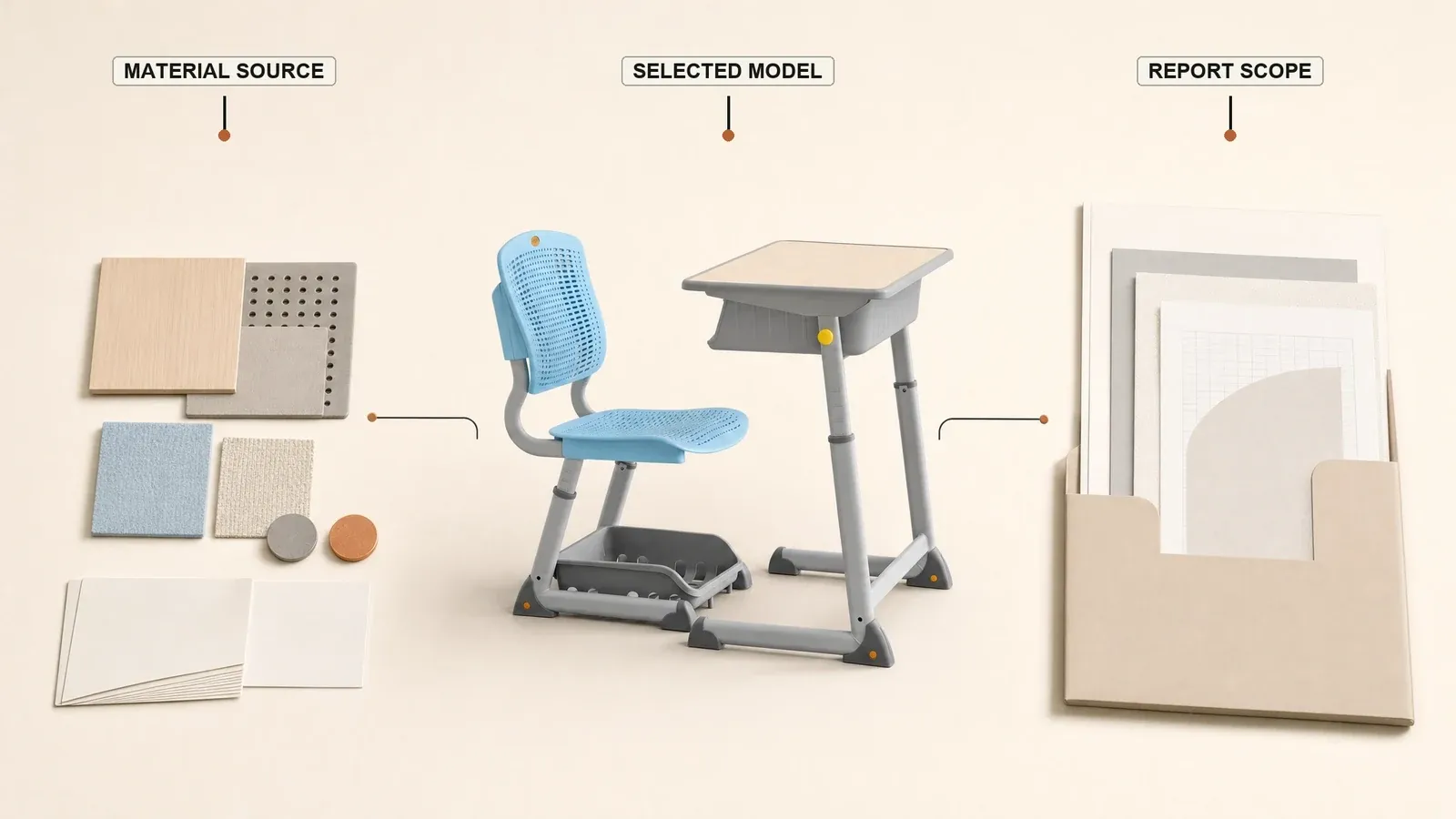
The sustainability of classroom furniture starts with the materials used and where they come from. Wood, metal, plastic, and composite panels can all serve useful purposes, but their environmental impact depends on their sourcing, processing, and suitability for the intended application.
Buyers can ask suppliers for information about material origins, recycled content, and relevant environmental documentation. However, recycled or renewable content alone does not determine whether a product is sustainable. Materials must also meet the required standards for strength, stability, cleaning, and everyday classroom use.
The goal is to find a balance between responsible material choices and reliable performance. Clear material specifications also make it easier to compare products and verify environmental claims. This information provides a useful starting point for evaluating other aspects of sustainability, including indoor emissions, durability, and long-term maintenance.
2. Indoor Emissions and Environmental Claims
Classroom furniture is used in indoor environments where students and teachers spend considerable time. Indoor air quality is therefore an important consideration when selecting furniture. Certain materials, adhesives, coatings, and finishes may release volatile organic compounds (VOCs), depending on their composition and manufacturing processes.
Rather than relying solely on general descriptions such as “eco-friendly” or “low-emission,” buyers should look for relevant test reports or certifications that support the claims made about a product. It is also important to check what a document covers, including the product category, model, testing conditions, and applicable requirements.
Environmental claims should be supported by evidence that matches the furniture being purchased. A certificate or report for one material or product category does not automatically verify every item supplied by a manufacturer.
By checking material information alongside indoor-emissions evidence, schools can make a more complete assessment of a product's environmental characteristics and suitability for classroom use.
3. Keeping Furniture in Use
One of the most practical ways to improve furniture sustainability is to extend its useful life. Furniture that remains functional for longer may reduce the need for replacement, along with the materials, transportation, and waste associated with frequent purchasing.
For classroom furniture, durability depends on several factors, including structural design, connection points, surface finishes, and the quality of key components. Desks and chairs must withstand repeated use, movement, and routine cleaning, so their construction should match the demands of the intended environment.
Repairability also matters. If damaged components can be repaired or replaced without discarding the entire item, schools may be able to extend its service life and reduce unnecessary waste. Buyers should therefore consider maintenance instructions, warranty conditions, spare-part availability, and after-sales support.
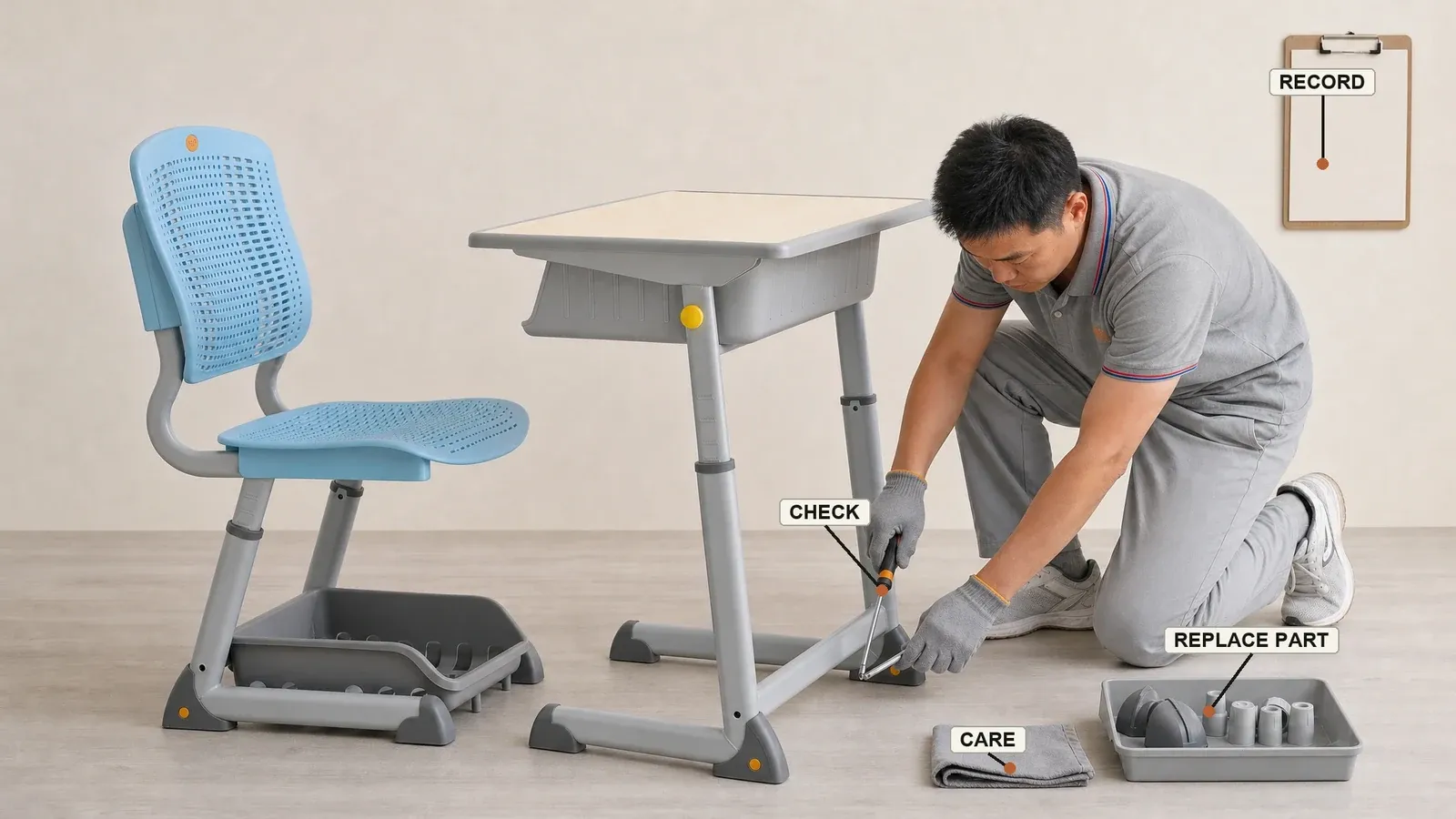
A durable product is not simply one that looks sturdy when new. Technical specifications, relevant test information, and maintenance guidance can help buyers assess whether it is suitable for long-term classroom use. These considerations connect product quality directly to the wider goal of reducing resource consumption over time.
4. Flexibility Across Classroom Activities
Classrooms support different types of learning, from individual study to group discussions and collaborative activities. Furniture that can accommodate changing layouts may help schools make better use of existing resources instead of replacing products whenever teaching arrangements change.
For example, desks and chairs that are easy to move can support different seating configurations, while modular designs may offer additional flexibility. However, the right solution depends on the classroom layout, student age, daily activities, storage needs, and cleaning routines.
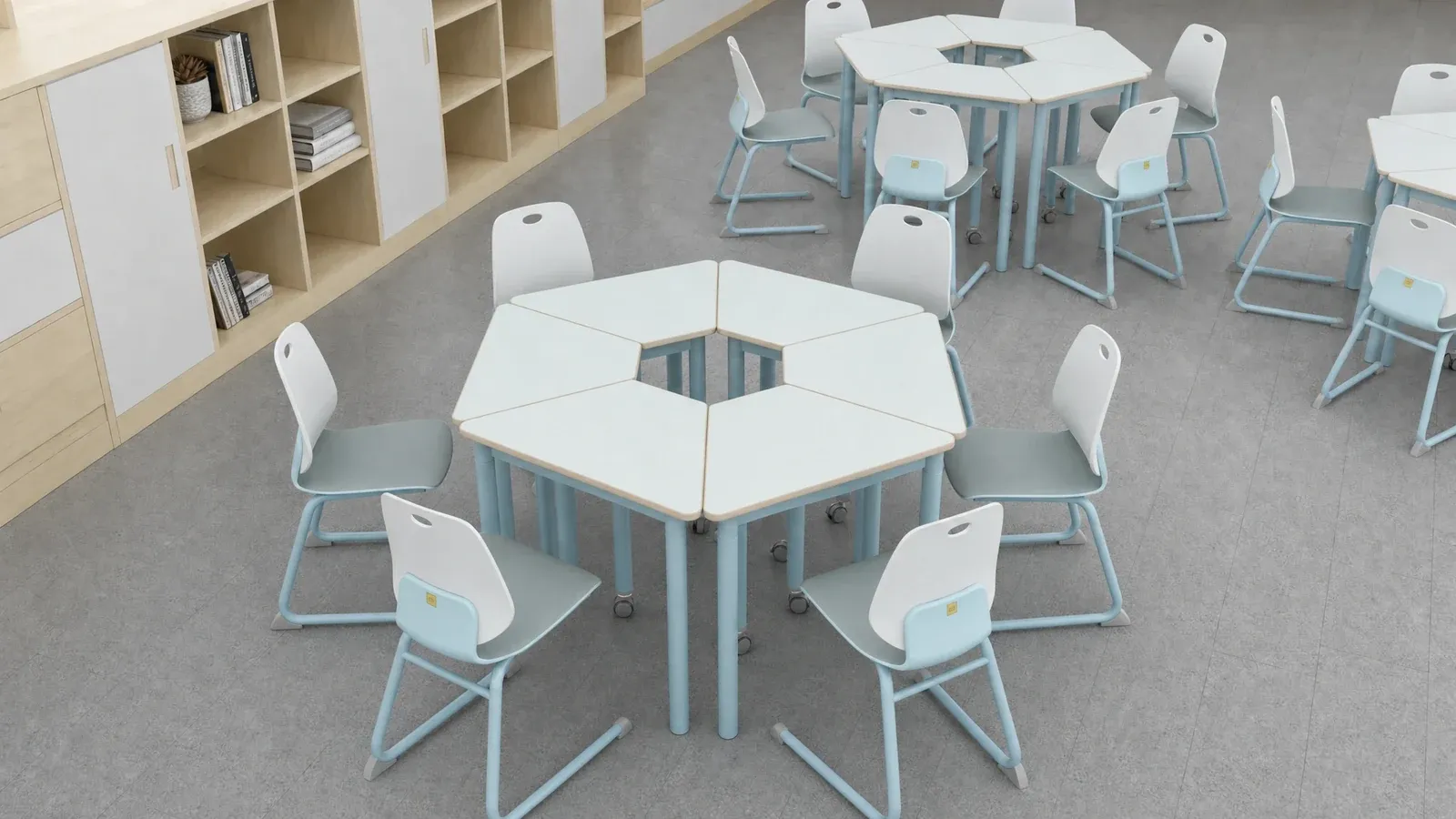
Flexibility should also be considered alongside stability and durability. Furniture that is easy to rearrange must still remain suitable for its intended use and withstand repeated movement. Choosing products that balance adaptability with reliable performance can help schools respond to changing needs while maintaining practical value over time.
In this way, flexibility contributes to sustainability by helping furniture remain useful across different activities and classroom arrangements.
5. Quality and Durability
Product quality has a direct influence on how long classroom furniture can remain in service. A lower initial price does not necessarily mean better value if the furniture requires frequent repairs or early replacement. Over time, these issues can increase purchasing costs and generate additional waste.
When comparing products, buyers should consider structural strength, material performance, surface treatment, connection methods, and the availability of maintenance support. These factors are especially relevant for school furniture, which must accommodate regular sitting, writing, movement, and cleaning.
It is also useful to understand whether key components can be repaired or replaced and whether suppliers can continue to provide the necessary parts. Such support can help schools maintain furniture for longer rather than replacing entire items because of isolated damage.
Quality and durability should therefore be assessed alongside environmental information, not as separate considerations. Furniture that performs reliably, can be maintained appropriately, and continues to meet classroom requirements is more likely to deliver long-term value.
6. Evaluating the Overall Sustainability of Classroom Furniture
No single material, label, or certification can fully determine whether classroom furniture is sustainable. A more complete assessment considers material sourcing, indoor emissions, durability, repairability, adaptability, and suitability for everyday classroom use.
Schools can request product specifications, material information, relevant emissions documentation, maintenance guidance, and warranty details from suppliers. Buyers should verify that these documents apply to the specific products being considered and that the evidence matches the project's requirements.
When comparing quotations, it is also important to use consistent product specifications and evaluation criteria. This makes it easier to understand differences between suppliers and avoid decisions based only on initial price or broad environmental claims.
Ultimately, sustainable classroom furniture should meet teaching needs, offer dependable performance, and remain useful throughout a reasonable service life. By considering environmental evidence together with quality, maintenance, and long-term usability, schools can make procurement decisions that are both practical and responsible.
A Practical Sustainability Checklist
| Area | What to ask for | What to connect it to |
|---|---|---|
| Materials and sourcing | Material schedule, supplier declaration, content statement | The product, component, configuration, and date |
| Indoor emissions | Test method, sample, result, and report | The finish, component, assembled product, or order |
| Manufacturing | Process and facility information | Production location and order scope |
| Packaging and shipping | Packaging specification and shipping plan | Destination, handling, installation, and local sorting |
| Maintenance and repair | Care guide, parts list, and repair instructions | Classroom routine and service path |
| Disassembly and recovery | Parts diagram, material labels, and handling guidance | Local reuse, recovery, and disposal options |
| Flexibility | Layout drawing, sample, or room mock-up | Intended users, activities, movement, and storage |
| Quality and durability | Test report and product specification | Expected movement, cleaning, sharing, and storage |
| Design longevity | Finish schedule and room plan | Current interiors and likely future changes |
Frequently Asked Questions
What makes classroom furniture sustainable?
Sustainable classroom furniture is evaluated through a combination of factors, including material sourcing, indoor emissions, durability, repairability, and long-term usability. The appropriate criteria depend on the project requirements and the supporting product documentation.
Is furniture made from recycled materials always more sustainable?
Not necessarily. Recycled materials can help reduce demand for virgin resources, but the overall assessment should also consider product performance, durability, maintenance, and suitability for classroom use. Material choices are most meaningful when they meet the practical requirements of the intended application.
What documents should schools request from furniture suppliers?
Depending on project requirements, buyers may request technical specifications, material information, relevant emissions test reports or certifications, maintenance instructions, and warranty details. They should also confirm that the documents apply to the specific product model and cover the relevant requirements.
Why does durability matter for sustainable classroom furniture?
Durable furniture can remain in use longer, potentially reducing the need for frequent purchasing, transportation, and disposal. Repairable designs and replaceable components can further extend service life by preventing minor damage from requiring the replacement of an entire item.
How can schools balance sustainability and procurement budgets?
Schools should consider more than the initial purchase price. Maintenance, repairs, replacement frequency, and expected service life can all affect the overall cost of ownership. Comparing products against the same basic requirements, while reviewing their supporting environmental evidence, provides a more balanced basis for procurement decisions.