Classroom Desks & Chairs

Student desks and chairs for measured classroom layouts and age-group review.

Available product references

Open a model to compare its published construction details and order-specific review notes.

11 products

Classroom Desks & Chairs

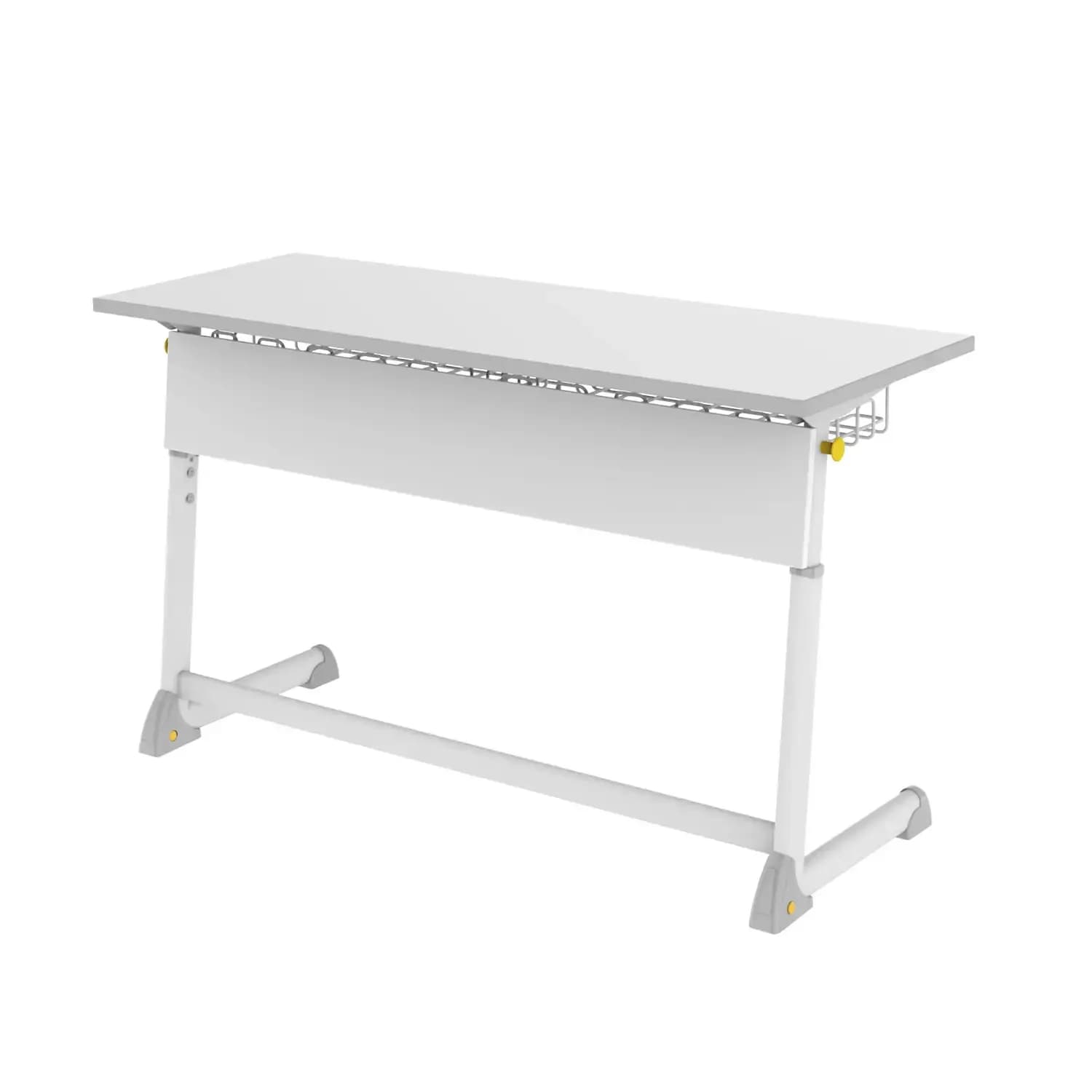
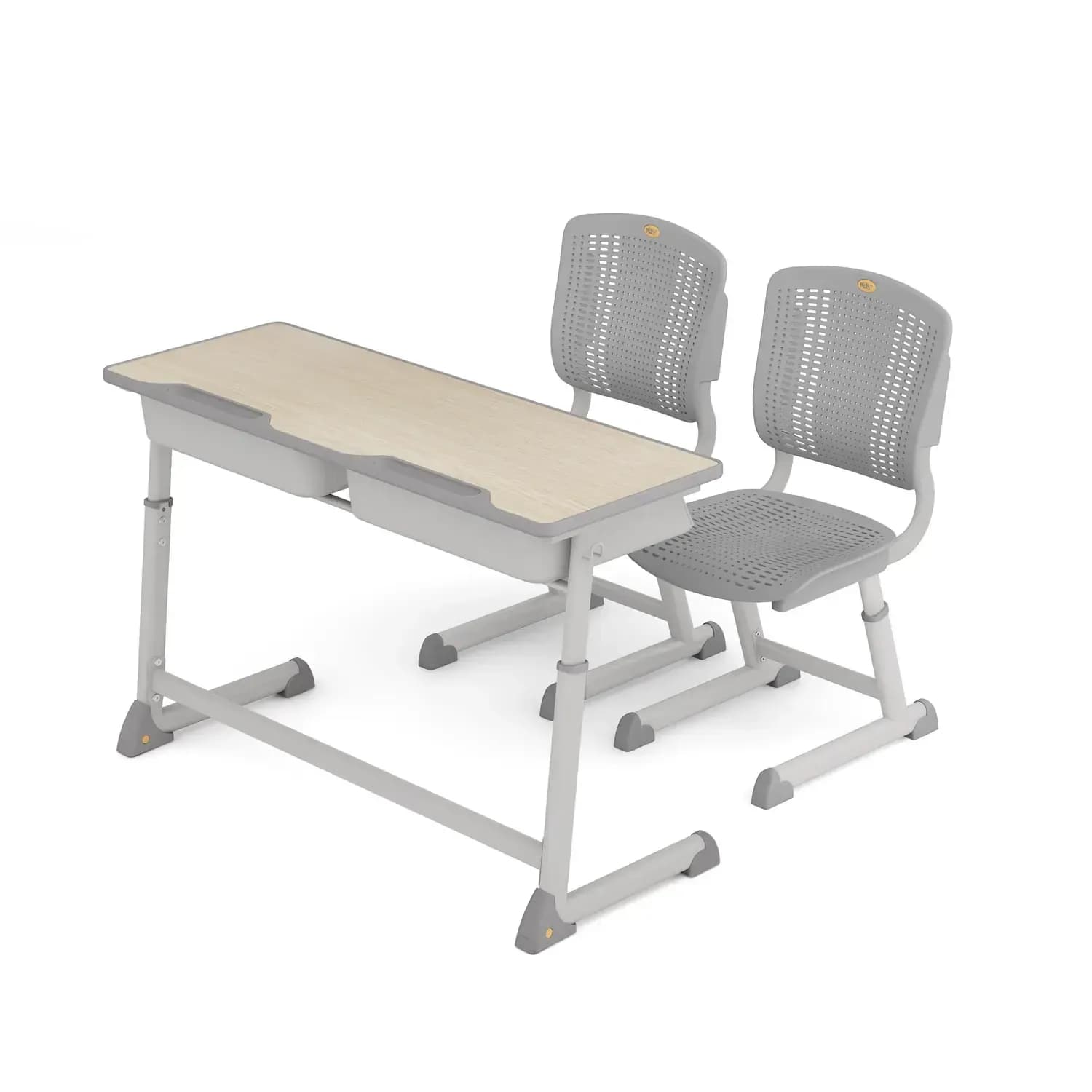
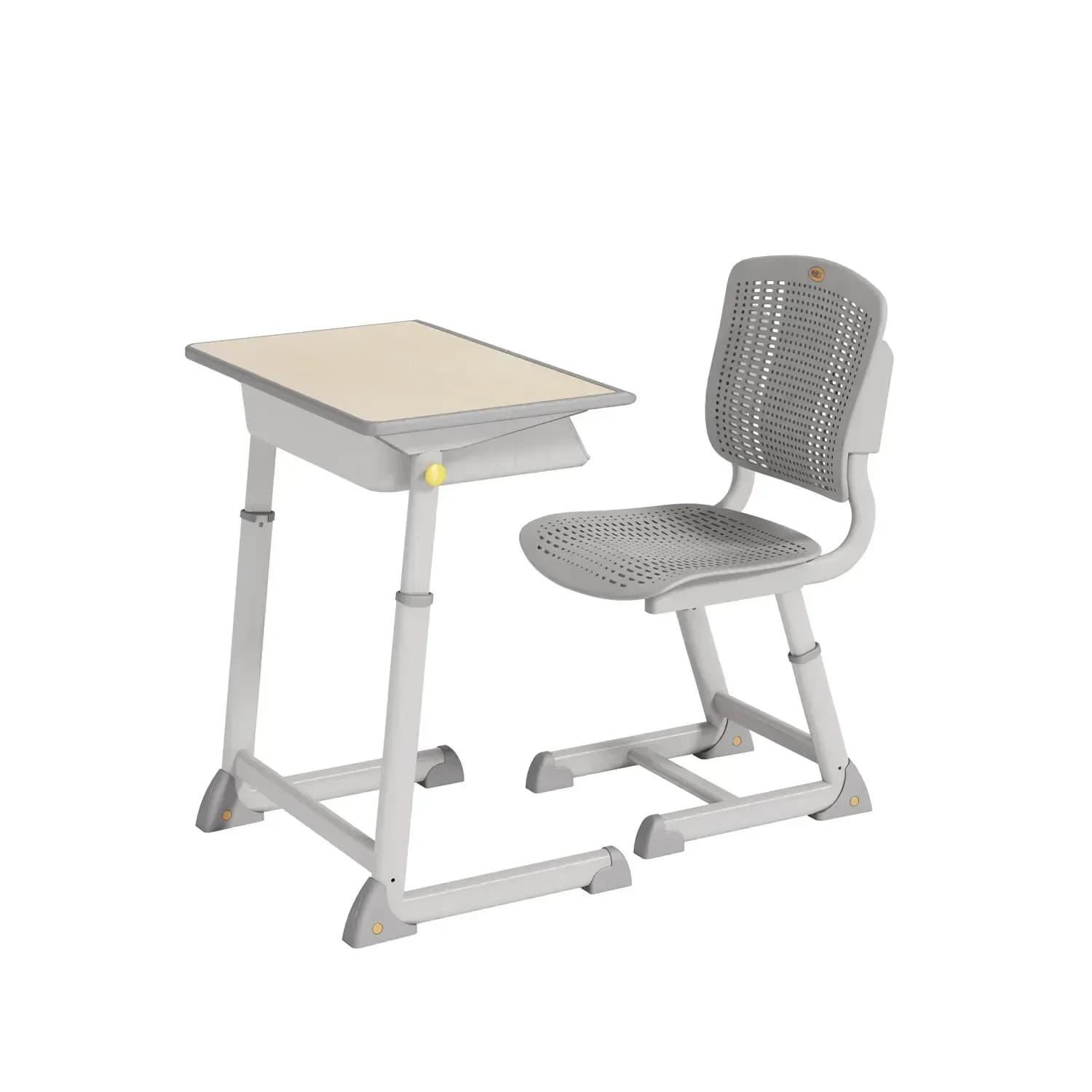
Height Adjustable School Double Desk

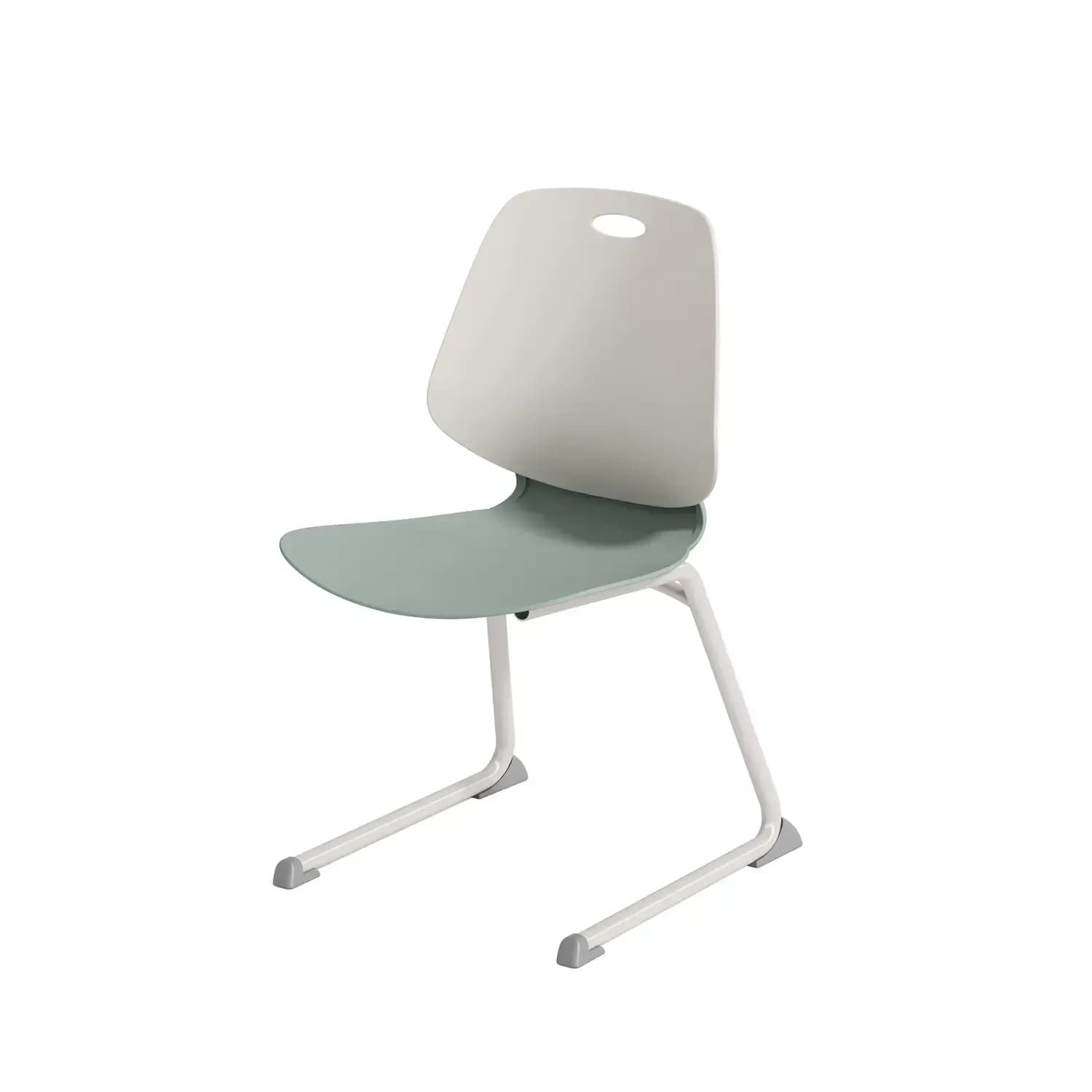
TS-101 combines a two-student 1200mm desk with screw-based height adjustment and a separate ergonomic cantilever chair. Its cold-rolled steel structure, high-temperature-cured powder coating, tiered storage and PA chair panels give project...

Review TS-101
Classroom Desks & Chairs

Two-Student School Desk With 25mm E0 MDF Desktop

TK-104 combines a 25mm E0 MDF desktop, PP molded edging, duckbill front edge and diffuse reflection surface with a two-student classroom layout. The shared desk gives school buyers a material-focused option for paired learning spaces, supported...

Review TK-104

Classroom Desks & Chairs

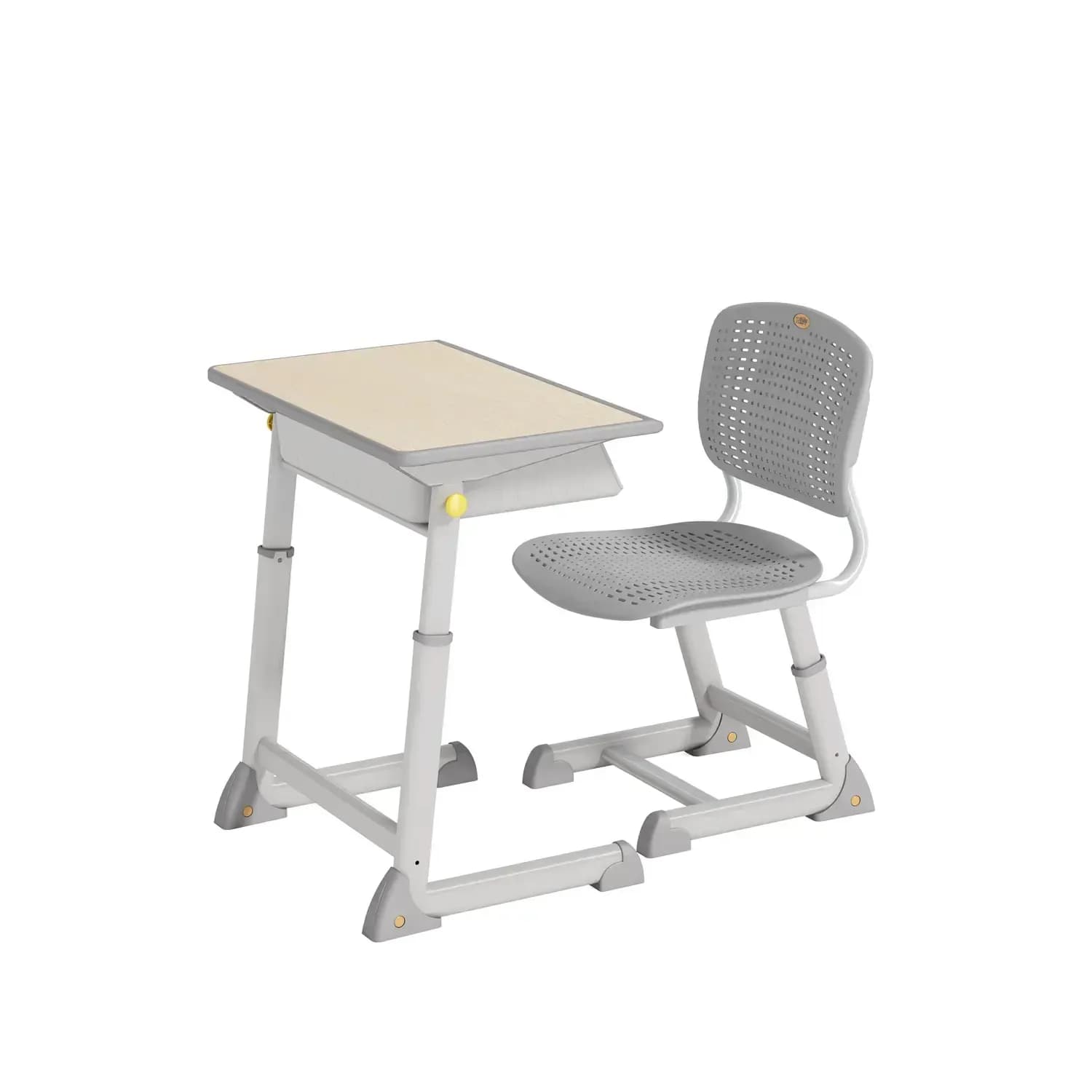
SY-302 Ergonomic Student Desk And Chair Set

Designed for flexible classroom height matching, SY-302 combines synchronized hand-crank adjustment with a coordinated desk-and-chair structure. The set helps schools serve different student groups while maintaining one consistent classroom...

Review SY-302

Classroom desks & chairs for different learning layouts.

Yuzhen Furniture presents classroom desks and chairs for school projects, including individual, two-student, adjustable and combinable formats. This category helps buyers compare classroom furniture by student group, room plan and intended daily use.

Broad searches for school desks and chairs, student desks, school chairs and classroom furniture connect here with more specific product types and model references.

A classroom furniture category built around real layouts

Classroom desks and chairs shape where students sit, write, store materials and work with classmates. Individual layouts support defined work positions, while shared and combinable formats can be reviewed for pair work, group activities and rooms that change arrangement during the school day.

This page connects category-level classroom furniture terms with more focused product references. Each model page can then be checked for published dimensions, materials, configuration and intended application.

Compare classroom desk and chair types

Explore the range by seating capacity, adjustment, size and the way each desk-and-chair format fits a classroom plan.

What classroom desks and chairs support

Classroom furniture provides the physical setting for independent study, teacher-led lessons, paired work and group activities. Desk footprint, chair position, storage and the ability to rearrange a room all affect how one classroom supports different teaching formats.

  • Individual learningDefined desk and seat positions for writing, reading and focused classroom tasks.
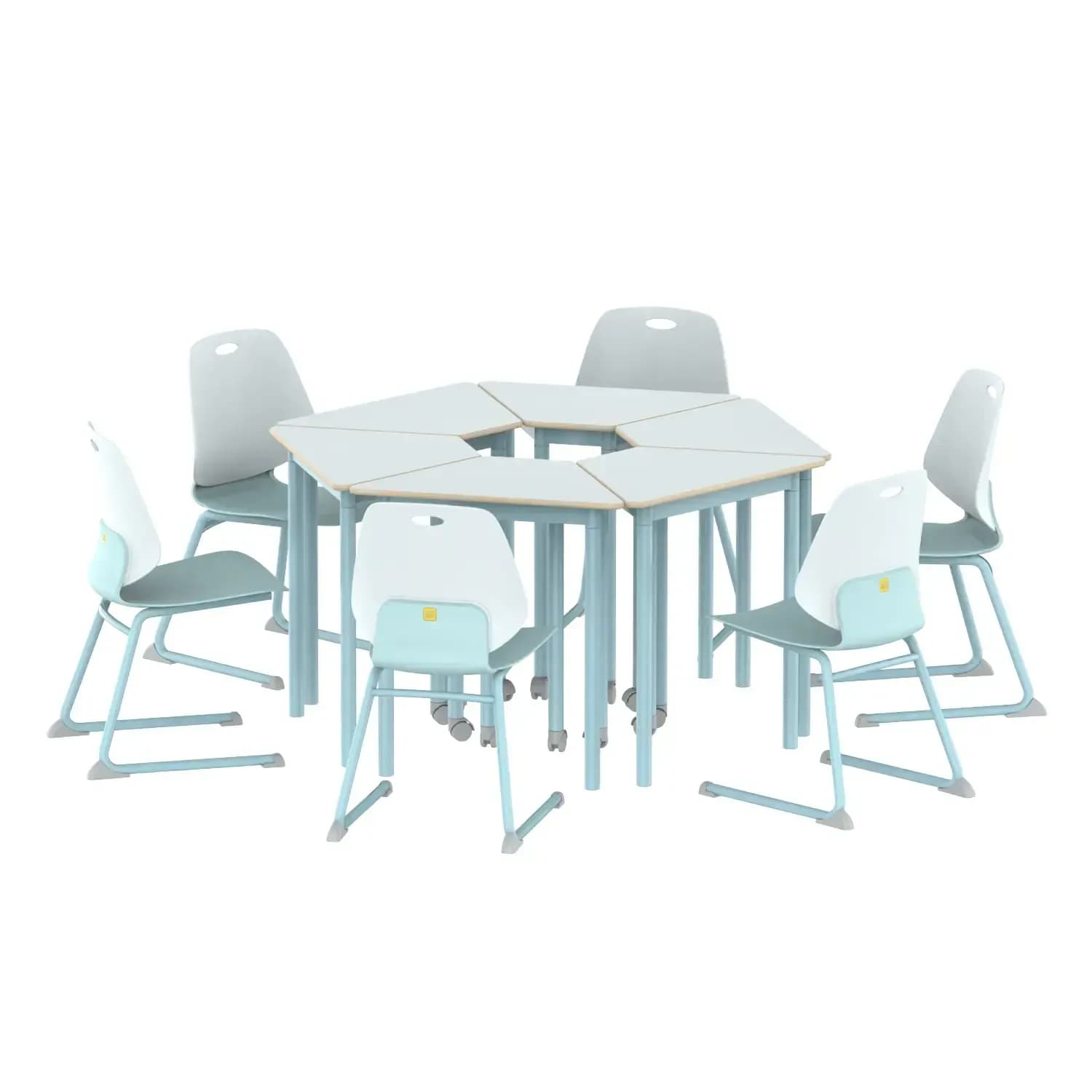
  • Collaborative workShared and combinable formats that can be reviewed for pairs or small groups.
  • Room reconfigurationFurniture footprints considered against circulation and changing lesson layouts.
  • Classroom organisationStorage features and desk arrangements considered with learning materials.

Choose by student group, room and configuration

Classroom desk and chair selection should connect published product information with the actual room. Student age and size, seat and work-surface dimensions, circulation and teaching layout help narrow the relevant format before finishes or order details are discussed.

  • Compare published dimensions and configuration against the room and user group.
  • Review the product footprint against capacity, circulation and adjacent furniture.
  • Consider materials, adjustment, storage and maintenance needs as one requirement.
  • Record quantity, destination, finish, documentation and non-standard requests for enquiry.

From category search to project review

School operators can begin with room use and student groups; architects and contractors can compare classroom desks & chairs against layouts; procurement teams and distributors can move from broad category terms to specific model references.

Yuzhen keeps related product references together, presents published information for early comparison and provides a direct path from the shortlist to a project-specific quotation discussion.

  • Related product terms connected through clear internal paths.
  • Model references organised for comparison rather than consumer checkout.
  • Selection content connected with room and user requirements.
  • Order-specific details separated from published reference information until review.

Classroom Desks & Chairs FAQ

Practical answers for comparing classroom furniture types, dimensions, layouts and project requirements.

What classroom desk and chair types can be compared in this category?

The category includes references for single student desks, double desks, adjustable desks and chairs, combined classroom seating and classroom chairs. Check each product page for its published configuration.

What should I compare when choosing classroom desks and chairs?

Compare student age, room layout, published dimensions, materials, configuration and intended application. The most useful shortlist connects the product format to how the classroom will be used.

How do student age and size affect desk and chair selection?

They influence the relevant seat and work-surface dimensions and whether adjustment is useful. Project requirements should be checked against the published product reference before final confirmation.

When should adjustable classroom furniture be considered?

Adjustability may be useful where one room serves different student groups or where the project calls for a wider fitting range. Review the mechanism and adjustment range model by model.

Are single desks or shared desks better for a classroom?

The answer depends on teaching layout, circulation, group-work needs and room capacity. Compare individual and shared formats against the same room plan.

What information helps with a classroom furniture recommendation?

Provide room dimensions, student age group, number of seats, preferred layout, approximate quantity, destination and any standards or documentation requirements.